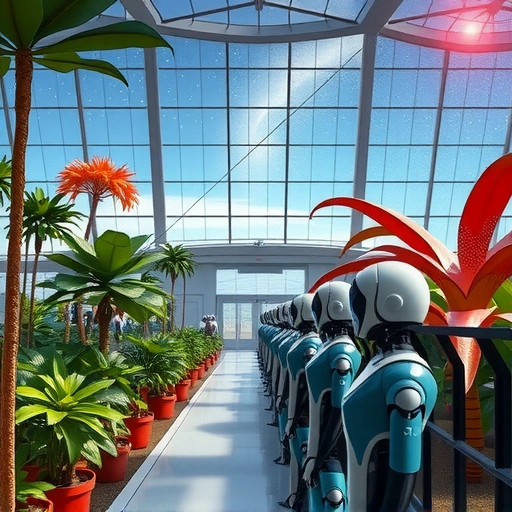
Midjourney V7 is here, and it’s changing the game. A big new ability is making images that look incredibly real, more like photos you’d see every day rather than filtered illustrations.
The Old “AI Look”
Before V7, AI images often had a distinct style. They were easy to spot if you knew what to look for. Features included:
- Overly bright colors
- People who looked like models
- Everything appearing unusually clean or perfect
- A look that was “photorealistic” but not like real life photos
These images often felt staged or artificial, lacking the subtle imperfections of real-world photography.
Midjourney V7 Brings Reality
Midjourney V7 seems to have learned from a wider range of images. This helps it understand how real-life photographs look. The result? Images that can blend in with actual photos.
Think about a simple scene: a family at the dinner table. With older versions of Midjourney (like V5), the image might show people who look too perfect, maybe with strange hands or a general slick, airbrushed feel. It didn’t look like a normal family moment.
In contrast, V7 using the same prompt can create a scene that feels much more真實 (real). You might see slight blurring from movement, imperfect composition, or people who just look like regular folks. These details make the AI image look like a photo someone actually took.
Seeing the Difference
Let’s look at other examples. An older version might show a child playing with a dog that looks like it’s from a painting – perfect light, beautifully groomed. A real photo of that moment? More likely messy, slightly out of focus, and less glamorous. V7 can now create images that look like that second scenario.
Even scenes like a business event ribbon cutting can appear more normal in V7, capturing the feel of indoor lighting and casual business wear, things previous versions might struggle with or make look too polished.
Tips for Getting Realistic Results with V7
While V7 is better at realism right out of the box, a few prompt tricks can help enhance this effect even more:
- Use Camera File Names: Some users found that adding fake old camera file names (like `img_XXXX.hic` or `.CR2`) at the start of a prompt can make the image look like it was taken on a specific, older type of camera, adding realism.
- Ask for “Boring” or a Specific Era: Prompting for a “boring photo taken in 2017” (or another past year before AI images were common) can surprisingly lead to images that look like everyday snapshots from that time. It’s a bit funny that AI sees normal life as “boring,” but it works for creating realistic visuals.
The Dawn of Realistic AI Imagery
Being able to create AI images that look real and normal is a big step forward. You don’t have to settle for overly stylized or artificial-looking pictures anymore. Midjourney V7 makes it possible to generate images that simply reflect the world as it is.
With V7, the era of the obvious “AI look” seems to be over. Creating realistic, normal photos with AI is now within reach.
Do This Locally with Logen
Skip the subscription. Generate images like these on your own GPU — private, unlimited, no cloud dependency.
Midjourney vs Logen
| Feature | Midjourney | Logen |
|---|---|---|
| Cost | $10-60/mo | Free & Pro plans |
| Privacy | Cloud (images stored) | 100% local |
| Generations | Limited by plan | Unlimited |
| Internet Required | Always | No |
| Custom Models | No | Yes (any ComfyUI model) |
| GPU Required | No (cloud) | Yes (local) |
| Ease of Use | Discord bot | Desktop app |